
Buying a house today is very different from what it was even a decade ago. Modern homes are no longer just about size, location, or appearance—they are about functionality, sustainability, technology, and lifestyle. As housing trends continue to evolve in 2025 and beyond, buyers need to understand what features truly define a “modern house” and which ones are worth investing in.
This article explores the key characteristics and trends you should watch for when buying a modern home.
1. Smart Home Technology Integration
One of the most defining features of modern houses is the integration of smart technology. Today’s homes are designed to make life easier, safer, and more efficient.
Modern buyers should look for homes equipped with:
-
Smart lighting systems
-
Voice-controlled appliances
-
Automated climate control
-
Advanced security systems
These technologies not only improve convenience but also reduce energy consumption. Smart homes are becoming standard rather than luxury, reflecting how technology is shaping everyday living. (arXiv)
2. Energy Efficiency and Sustainability
Sustainability is no longer optional—it’s a priority. Modern houses are increasingly designed with eco-friendly materials and energy-saving systems.
Key features to look for include:
-
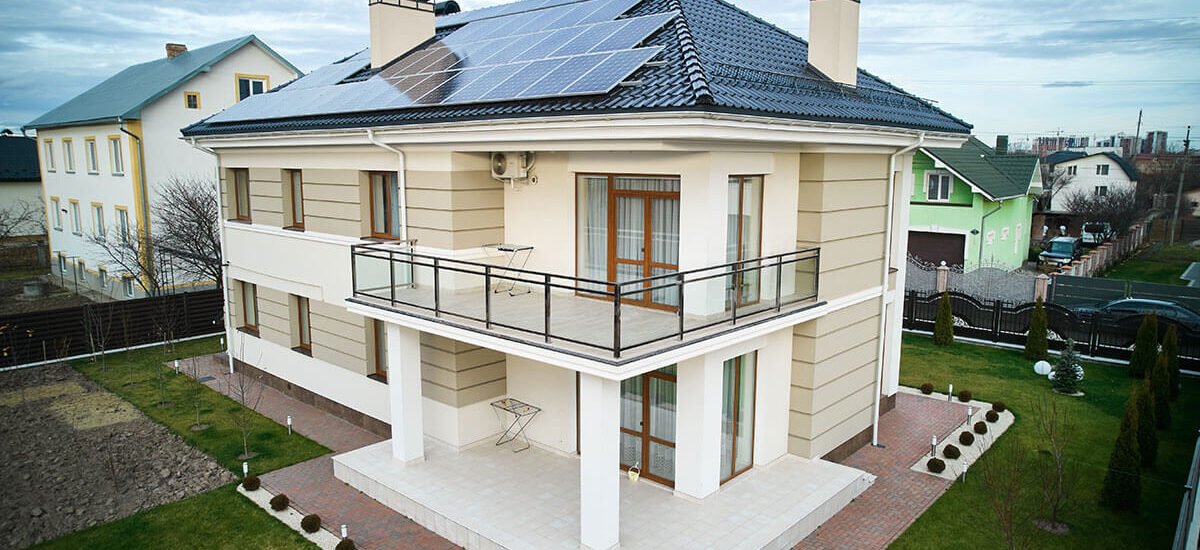
Solar panels or solar-ready roofs
-
Energy-efficient windows and insulation
-
Water-saving fixtures
-
Use of recycled or sustainable building materials
Homes built with these features help reduce long-term costs and environmental impact. In fact, many modern designs emphasize low-emission materials and energy efficiency as central elements. (Humane Education)
3. Open-Plan Living Spaces
Modern homes favor open layouts that create a sense of space and flexibility. Instead of separate rooms, areas like the kitchen, dining, and living room are often combined.
Benefits of open-plan living include:
-
Better natural light distribution
-
Improved social interaction
-
Flexible use of space
This design is especially popular in contemporary homes because it aligns with modern lifestyles that prioritize connectivity and shared experiences. (Humane Education)
4. Indoor-Outdoor Connection
A strong connection between indoor and outdoor spaces is a hallmark of modern home design.
Buyers should look for:
-
Large sliding glass doors
-
Outdoor kitchens or patios
-
Balconies or rooftop gardens
-
Landscaped yards integrated with living areas
This trend, often referred to as indoor-outdoor living, enhances both aesthetics and well-being by bringing nature closer to everyday life. (Harper Real Estate)
5. Biophilic and Wellness-Focused Design
Modern homes are increasingly designed with health and wellness in mind. This includes elements that improve mental and physical well-being.
Important features include:
-
Natural lighting optimization
-
Indoor plants or green walls
-
Air purification systems
-
Quiet, dedicated relaxation spaces
Biophilic design—bringing nature indoors—has become a major trend because it enhances comfort and reduces stress. (The House Plan Company)
6. Minimalist and Functional Aesthetics
Modern houses often follow a minimalist approach, but with a warmer and more inviting feel than traditional minimalism.
Look for:
-
Clean lines and uncluttered spaces
-
Neutral tones with natural materials
-
Handle-less cabinetry and hidden storage
-
Functional, multi-purpose furniture
This “warm minimalism” combines simplicity with comfort, creating homes that feel both stylish and livable. (Harper Real Estate)
7. Smart Storage Solutions
Storage is a critical aspect of modern home design. Today’s homes are built to maximize space efficiency without compromising style.
Key storage features:
-
Built-in shelves and cabinets
-
Hidden compartments
-
Custom closets
-
Multi-functional furniture
Smart storage helps maintain a clutter-free environment, which is essential for modern living. (Ross Realty Group)
8. Multi-Functional Spaces
With the rise of remote work and flexible lifestyles, modern homes are designed to serve multiple purposes.
Examples include:
-
Home offices that double as guest rooms
-
Convertible living spaces
-
Home gyms or wellness rooms
These adaptable spaces allow homeowners to adjust their environment to changing needs, making them highly desirable in today’s market.
9. Sustainable and Innovative Architecture
Modern architecture is evolving to include innovative designs such as elevated structures, multi-level layouts, and unique geometric forms.
For example:
-
Raised homes for better airflow and flood protection
-
Homes with central atriums or open courtyards
-
Designs that maximize natural light and ventilation
These architectural features not only improve functionality but also create visually striking homes. (Humane Education)
10. Community and Location Considerations
A modern house is not just about the building itself—it’s also about its surroundings.
Buyers should consider:
-
Walkability and access to amenities
-
Nearby parks and green spaces
-
Community features like shared workspaces or gyms
Modern developments are increasingly designed to foster a sense of community and convenience, which adds long-term value to a property. (Ross Realty Group)
11. Personalization and Character
While modern homes often emphasize clean design, personalization is becoming more important. Buyers are looking for homes that reflect their identity and lifestyle.
This can include:
-
Custom finishes and materials
-
Unique design elements
-
Spaces for hobbies or personal interests
Modern homes are moving away from generic designs toward more meaningful and customized living environments.
Buying a modern house requires more than just evaluating its appearance. Today’s buyers need to consider how a home supports their lifestyle, values, and future needs.
The most important features to watch for include:
-
Smart technology integration
-
Energy efficiency and sustainability
-
Open and flexible layouts
-
Strong indoor-outdoor connections
-
Wellness-focused design
-
Functional storage and multi-use spaces
A truly modern home is one that balances innovation, comfort, and sustainability. By understanding these trends, buyers can make smarter decisions and invest in homes that will remain valuable and relevant for years to come.